
Chapter 15: Special Cases
A Guide for Toddlers and Teens
Two parents could be reading the same chapter from very different rooms. One with a two-year-old already swiping fluently for the phone. The other staring at a fifteen-year-old’s locked bedroom door. The science is the same at both ends of childhood. The same dopamine system, the same prefrontal cortex still under construction. What changes is how much capacity the child has to understand the threat, and that single difference rewires almost every parenting move.
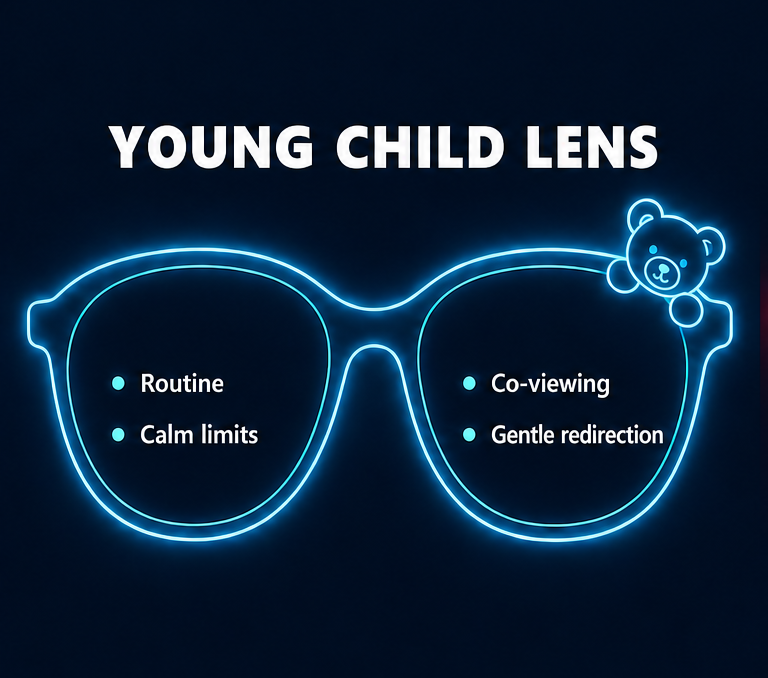
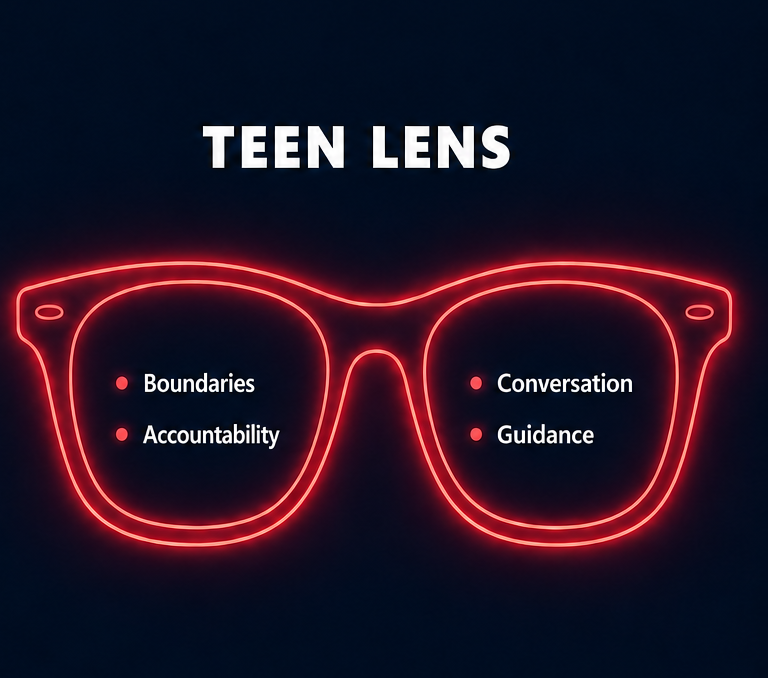
This chapter is the targeted chapter for the two ends of the developmental spectrum the rest of the book has assumed less directly. It is split into two parts. The first part is a toddler-specific prevention playbook for ages one to five. The second part is a teenager-specific negotiation playbook for the years where direct rules tend to invite the rebellion they were meant to prevent.
The chapter holds the same B.A.S.E. framework throughout, but translates each pillar for both ends. For toddlers, the focus is on prevention, environment, and the offline playbook that fills the developmental need a screen has been filling. For teenagers, the focus is on shifting from director to coach, holding the few non-negotiable lines, and earning autonomy through demonstrated readiness.

What the chapter covers
The chapter resolves the nagging worry that the book’s advice is for someone with a child a different age from your own. Both ends of childhood are addressed directly.
- Why the under-two screen line matters more than most parents think, with concrete scripts for the moments handing over the tablet feels most tempting.
- A Toddler’s Offline Playbook (sensory play, gross motor, imaginative play, real-life work, tantrum tamers) that meets the same developmental need a screen was filling.
- A Reset Strategy for toddlers already dependent on screens, without going cold turkey and triggering a backlash.
- How to shift from director to coach with teenagers, using collaborative rule-making and natural consequences.
- The non-negotiable teen line, no phones in bedrooms overnight, with research-backed reasons teens can actually accept.
- Three named teen conversations to have on purpose: Algorithm Awareness, Identity Formation, and Relationship Quality.
- How each pillar of B.A.S.E. is rewritten for the teen years.
- A Progressive Autonomy Plan with explicit maturity markers, so freedom is earned through readiness.
Special Cases
Different ages, different needs
The chapter resolves the nagging fear that the book’s advice is “for someone with a normal-age child, not mine”. Toddler parents get a prevention playbook. Teen parents get a negotiation playbook.
After reading it, the same framework that runs through the rest of the book is now visibly applicable at the two ends of childhood where parents most often feel they are working from scratch.
For more information on the chapters in the book
Go to the book page